
Into Art Fairs - A Guide to the World's Major Art Fairs
FeaturesBy I.R2026.03.19 Update
What Is an Art Fair?
Art Fairs are large-scale events where galleries from around the world gather in one place to exhibit and sell works. Unlike museum exhibitions, every work on view is available for purchase. Dozens to hundreds of galleries set up booths presenting a wide range of work — paintings, sculpture, photography, video, installation — spanning not only contemporary art but much broader territory.
Fairs typically run for three to seven days. The opening day, known as the preview, is generally reserved for collectors and gallerists, and sought-after works are often acquired by major collectors at this stage. From the public opening onward, anyone can attend; admission varies by fair but generally falls somewhere between a few thousand and tens of thousands of yen.
The great appeal of an art fair lies in its scale and density. Works that would ordinarily require traveling to galleries across the globe are brought together in a single venue for just a few days. For collectors, it is a place to discover new talent; for artists, an opportunity for international exposure. Visitors can engage directly with the art world as it exists right now.
Art Basel
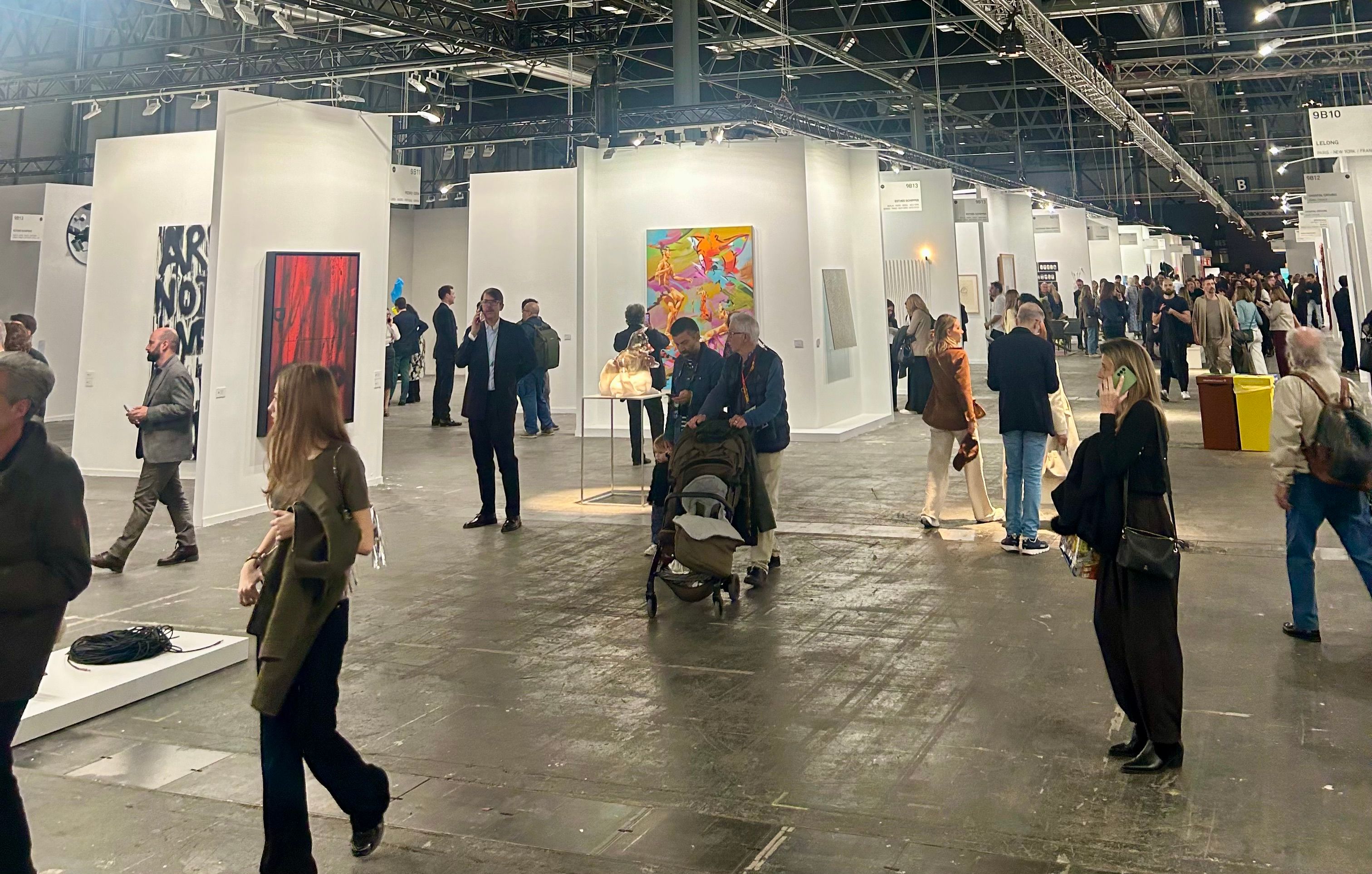
Founded in Switzerland in 1970, Art Basel stands at the apex of today's art market. It takes place in Basel, Miami Beach, Paris, Hong Kong, and Abu Dhabi — each edition carrying its own cultural character while collectively shaping the global art scene under a single brand.
The main Basel fair brings together around 290 galleries, presenting work from twentieth-century modernism through to the most current contemporary practice. Both the quality and price range are at the highest level, with so-called masterworks regularly trading for several million dollars and above. During fair week, the city itself becomes an art destination, with the Fondation Beyeler, the Kunsthalle, and numerous other institutions all in play.
The Miami Beach edition takes place in December. The geographic and cultural influence of Latin America is clearly felt in the programming, and satellite fairs run simultaneously throughout the city — a fair where beach and art coexist in a way unlike any other.
Paris+ par Art Basel launched in 2022, bringing together approximately 150 galleries at the Grand Palais Éphémère. Surrounded by the Louvre, the Musée d'Orsay, and the Centre Pompidou, it is a fair with a particular dignity, situated within the weight of that history.
Frieze London
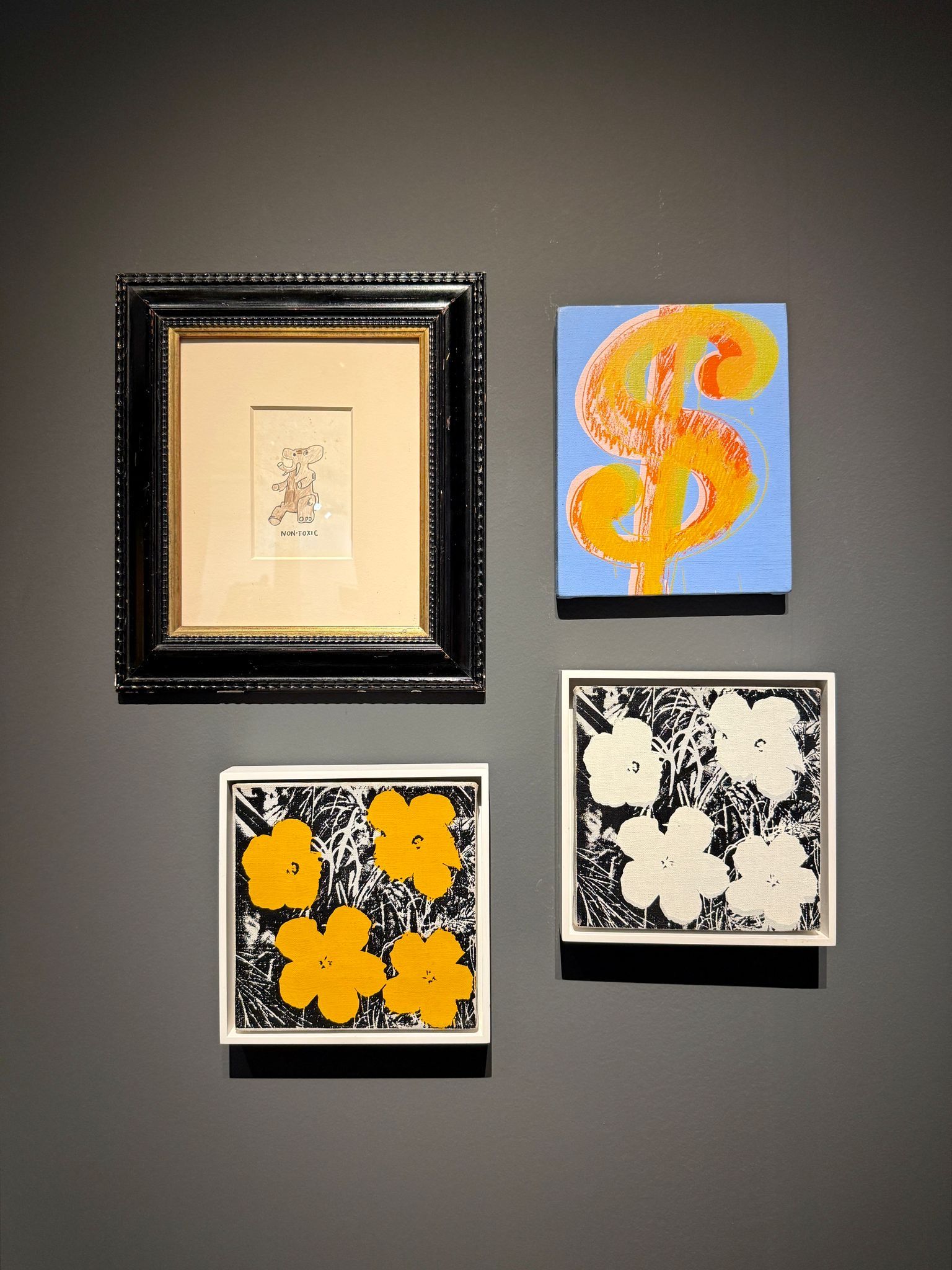
Founded in London in 2003, Frieze rapidly established itself as a leading international fair dedicated to contemporary art. Around 160 galleries participate, housed in a purpose-built tent in Regent's Park, and the programming is defined by a critical perspective and a commitment to experimental work.
While it is fundamentally a commercial event, Frieze takes care not to compromise the experience of looking. Curator-led focus sections and large-scale commissions installed throughout the venue offer an encounter with art that differs from the gallery context. Frieze Masters runs concurrently, presenting work from antiquity through the twentieth century.
ARCOmadrid
Running since 1982, ARCOmadrid has established itself as the leading international art fair of the Iberian Peninsula and holds a firm position within the European art scene. More than 200 galleries from around the world participate each year.
What distinguishes this fair is its deep connection to Latin America. With the shared cultural ground of the Spanish-speaking world as a backdrop, galleries and artists from Mexico, Argentina, Colombia, Brazil, and across Latin America participate in significant numbers each year — making it a destination noted by international collectors for encounters with contemporary Latin American art that are difficult to find elsewhere.
The Prado, the Museo Reina Sofía, and the Thyssen-Bornemisza Museum are all within walking distance. During fair week, gallery openings and events layer on top of one another throughout the city, and Madrid comes alive.
Going to Art FairsBefore You Go
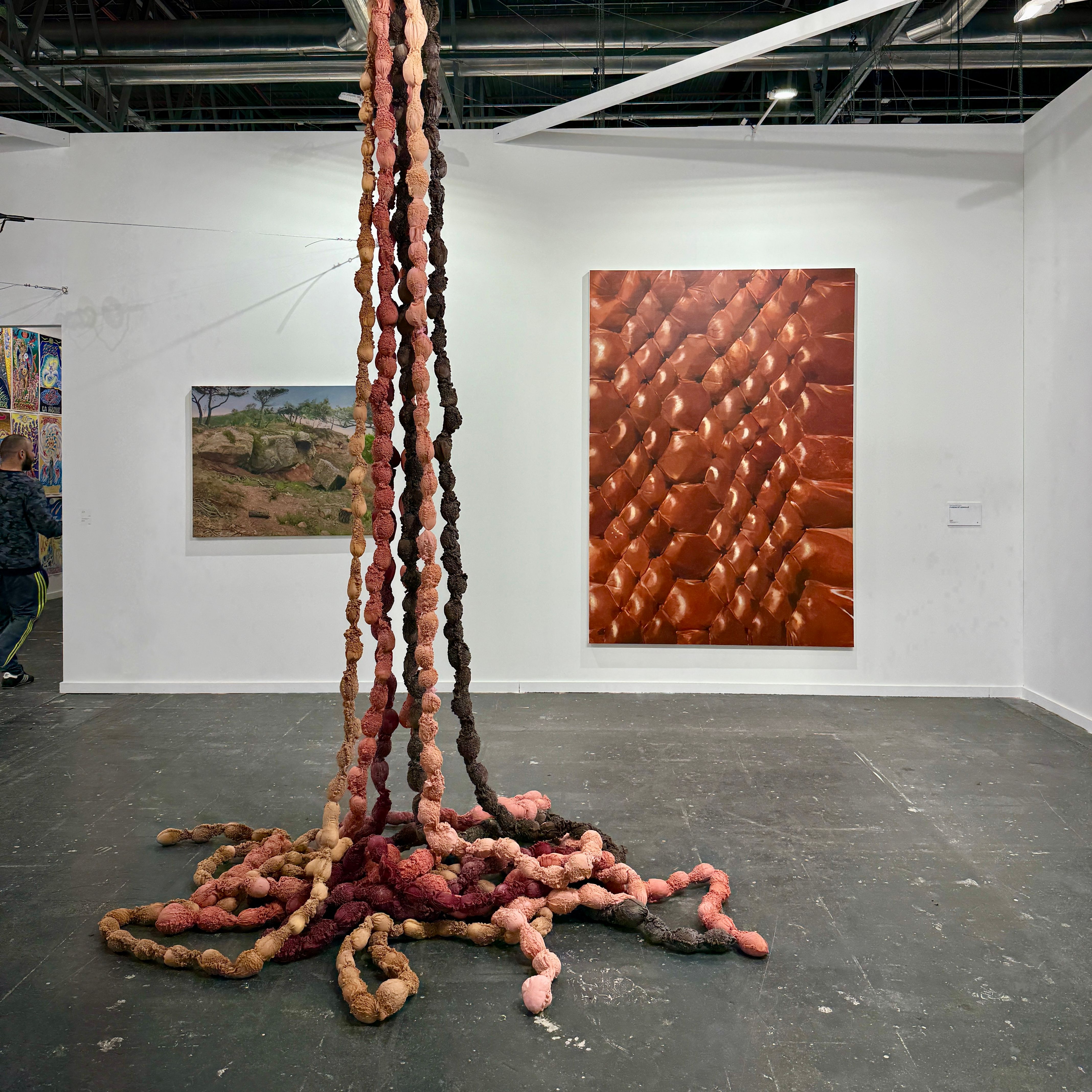
The list of participating galleries is published in advance on the official website. Rather than trying to see everything, it is worth selecting five to ten galleries and looking closely. Following artists you are already curious about, or galleries you have been tracking, is a useful way in.
Navigating the Fair
Art fairs are vast, and stamina is genuinely part of the experience. Early morning tends to be quieter, making it easier to concentrate on the work.
Talking to Gallerists
The staff at each booth know the artists and works in depth. Don't hesitate to ask about anything that catches your attention — conversation opens up new ways of understanding.
On Prices
The standard approach is simply to ask a gallerist. Price lists are often not displayed, but asking is never considered impolite.
Art fairs are places to encounter the art world in its totality, as they exist right now. It is a place to meet works, to talk with people, and to test your own sensibility. Buying matters — but more than that, the accumulated experience of looking is what develops the eye of a collector.

