

By Ryusei2024.09.17 Update
The relationship between an artist and their muse is a timeless theme, often imbued with romance, mystery, and a profound creative connection. The term "muse" harkens back to Greek mythology, where these divine figures were believed to inspire artists and poets. In the context of Salvador Dalí and Gala, this relationship takes on an even more intriguing dimension. Gala, more than just Dalí's wife, served as his muse, his confidante, and the catalyst for much of his surrealist work. Her influence on his art is undeniable, from her striking appearance in many of his paintings to her role as his business manager and socialite. Together, they formed a dynamic duo that captivated the art world and continues to fascinate us today.
The Muse: A Source of Inspiration
In Greek mythology, Muses were divine goddesses associated with the arts and sciences. Each Muse presided over a different artistic domain, inspiring and guiding human creativity. Apollo, for instance, was the muse of music and poetry, while Athena was the muse of wisdom and strategic warfare.
While the concept of a muse is often rooted in mythology, the term has evolved over time. In contemporary usage, a muse can refer to any person, place, or thing that inspires an artist. It could be a lover, a family member, a friend, or even an abstract concept like nature or philosophy. Muses serve as catalysts for artistic creation, influencing an artist's emotions, thoughts, and ultimately shaping the depth and complexity of their work.
A muse doesn't merely provide a subject for an artwork; they ignite a spark within the artist, encouraging them to explore new creative avenues. This dynamic interplay between the artist and their muse is a recurring theme throughout history and continues to fascinate art enthusiasts and scholars alike.
In Greek mythology, Muses were divine goddesses associated with the arts and sciences. Each Muse presided over a different artistic domain, inspiring and guiding human creativity. Apollo, for instance, was the muse of music and poetry, while Athena was the muse of wisdom and strategic warfare.
While the concept of a muse is often rooted in mythology, the term has evolved over time. In contemporary usage, a muse can refer to any person, place, or thing that inspires an artist. It could be a lover, a family member, a friend, or even an abstract concept like nature or philosophy. Muses serve as catalysts for artistic creation, influencing an artist's emotions, thoughts, and ultimately shaping the depth and complexity of their work.
A muse doesn't merely provide a subject for an artwork; they ignite a spark within the artist, encouraging them to explore new creative avenues. This dynamic interplay between the artist and their muse is a recurring theme throughout history and continues to fascinate art enthusiasts and scholars alike.
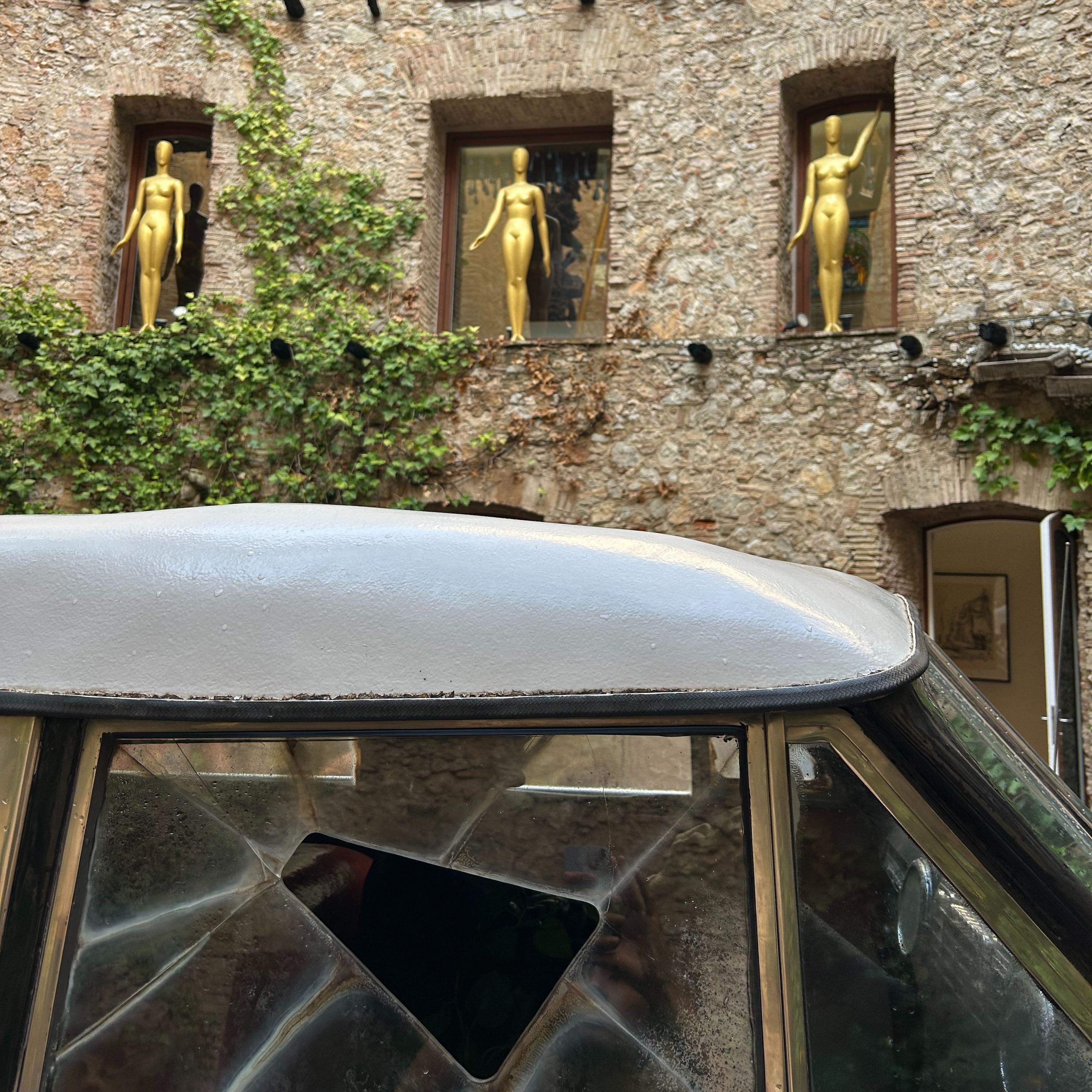
Salvador Dalí, an iconic surrealist painter of the 20th century, is renowned for his bizarre and dreamlike masterpieces that continue to captivate audiences worldwide. However, Dalí's artistic genius cannot be fully appreciated without considering the profound influence of his muse, Gala. Gala, a Russian-born woman older than Dalí, was already a prominent figure in the art world before they met. Their relationship began while Gala was still married to the poet Paul Éluard, but they quickly formed an intense and enduring bond.
Recognizing Dalí's extraordinary talent, Gala became his ardent supporter and played a pivotal role in propelling him to international fame.Their relationship was a complex interplay of passion, ambition, and a profound emotional connection. While deeply devoted to each other, their love was often tumultuous, marked by intense jealousy and conflict. Gala, while fiercely protective of Dalí's artistic vision, was sometimes overwhelmed by his ego and eccentric behavior. Conversely, Dalí was deeply dependent on Gala's love and support, yet he was also captivated by her independent spirit.
Their partnership was far more than a romantic affair. Gala served as Dalí's muse, his business manager, and his confidante. She was instrumental in shaping his public image and negotiating deals with art dealers. Many of Dalí's most iconic works, such as "The Persistence of Memory," were inspired by or featured Gala in some form.The death of Gala was a devastating blow to Dalí. Overwhelmed by grief, he struggled to continue his work. However, he found solace in his art, using it as a way to immortalize their love and preserve her memory.
The story of Salvador Dalí and Gala is a testament to the profound impact that personal relationships can have on artistic creation. Their unique partnership, marked by both love and complexity, offers a fascinating glimpse into the creative process and the enduring power of human connection

