

By Ryusei2024.12.05 Update
For the series dialogue: roots and fruits, ArtX delves into the minds of established and emerging collectors from Japan and abroad. Through intimate conversations, we uncover the roots that led them to collect artworks—their personal thoughts, experiences, and philosophies—as well as the collections to which these passions have borne fruit.
Just as a fruit grows only after the plant’s roots are firmly established and its branches and leaves have matured, a variety of memories, events, and philosophies should lie at the root of any collection. By illuminating these inner workings, ArtX seeks to highlight the unique character of each collector.
For our first interview with a Japanese collector, we spoke with Takanori Kataishi, the CEO of yutori Inc., an apparel company recognized for its portfolio of distinctive brands. The youngest CEO of a publicly listed apparel company in Japan, his achievements extend beyond business: he also performs music under the stage name 69. We had the privilege of interviewing him at his home and office to speak about his multifaceted life as an entrepreneur and an artist, as well as his private passions. In the first part of this interview, we explored his influences from childhood, his personal philosophy, his relationship with culture and art, and his perspective as a collector.
Q1.
The title of this interview is dialogue: roots and fruits. I believe that to bear good fruit, one must first develop deep roots. In that sense, this interview traces your journey from your roots to your branches and the fruits they’ve borne. To begin with the roots, could you share any memories or experiences from your childhood that influenced your collection?
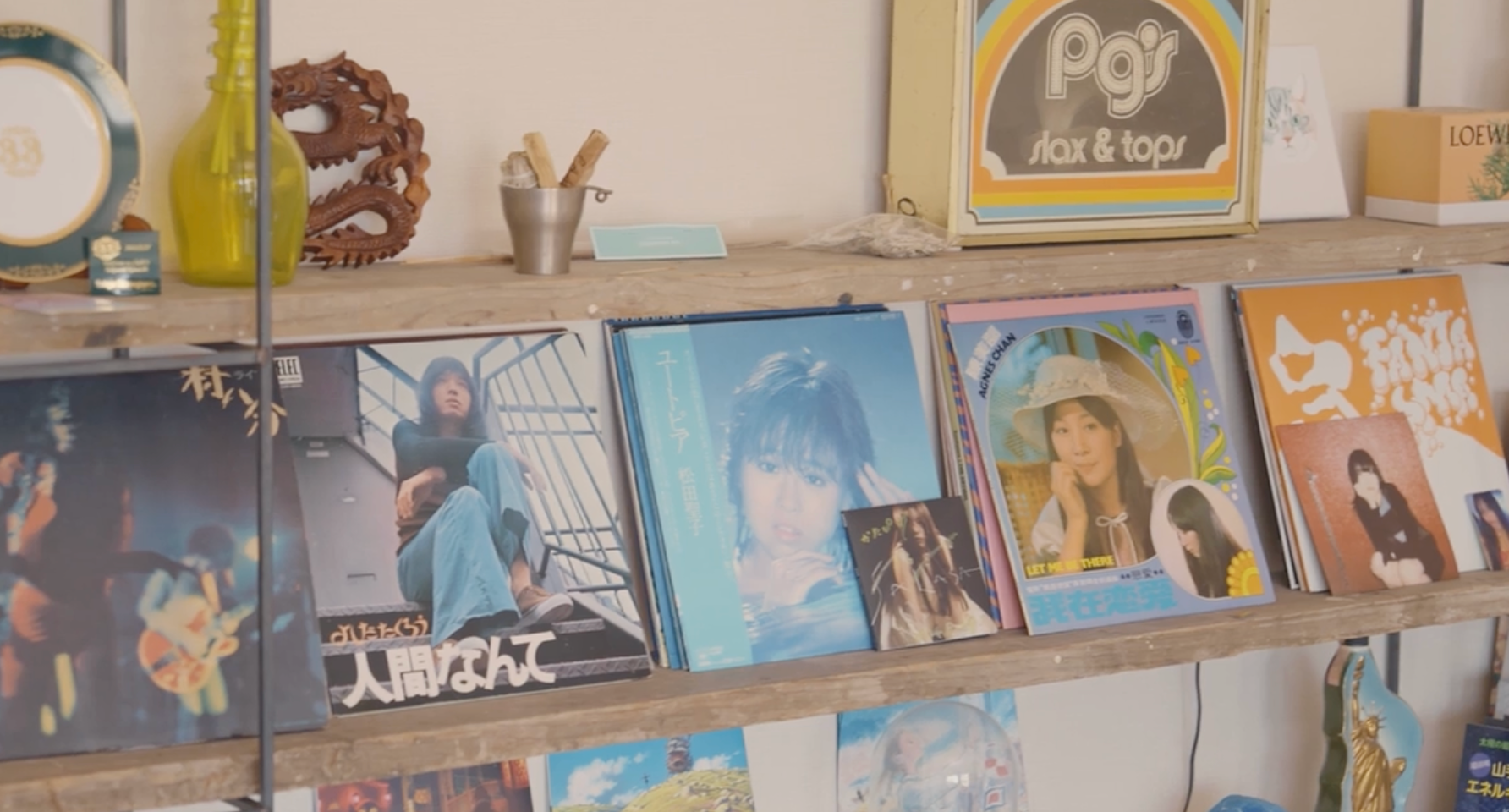
Kataishi: Well, when I was in elementary school, I realized that the popular kids were usually the athletic ones, the ones who were good at sports. It was all about physical abilities. Since I wasn't particularly athletic, I tried to find common ground with others by exploring popular interests, like video games. I'd read gaming magazines and predict the next big thing, aiming to contribute something unique to the conversation. As I grew older, my focus shifted toward music and fashion.
ArtX: That mindset seems to have carried over to your career and your attitude as a collector. Since childhood, you’ve always had an ability to predict the next big thing.
Kataishi: yutori's philosophy of ‘turning outsiders into unique individuals’ really comes from my roots. It's about discovering and nurturing those who haven't been recognized yet, just like in the drama Nobuta wo Produce. I was deeply influenced by the character of Shuji Kiritani, interpreted by Kamenashi Kazuya.
ArtX: I see. So, it was about learning to navigate a world where value was primarily measured by standardized criteria.
ArtX: I see. So, it was about learning to navigate a world where value was primarily measured by standardized criteria.
Kataishi: I guess it was more about finding a different way to be popular.
Q2.
You've been immersed in culture from a young age. In your opinion, is there a clear connection between forms of culture, such as music and fashion, and what we traditionally define as art?
You've been immersed in culture from a young age. In your opinion, is there a clear connection between forms of culture, such as music and fashion, and what we traditionally define as art?
Kataishi: Of course, there are overlaps, but I feel like music and fashion are closer to popular culture, while art tends to be more confined to a specific community. It's not that there's anything wrong with that, but it often requires a certain level of literacy and financial resources, which makes it more exclusive.
Fashion, in particular, is heavily influenced by marketing. And while there are musicians with various approaches, there's always demand for widely popular hits. In that sense, art is quite different. Art is more complex and deeply personal. Fashion is more about riding the wave.
I think there were deliberate trends in the 80s and 90s, but since the 2000s—especially with the rise of social media—consumers have played a more active role in shaping trends. It's now more about what everyone wants and likes. From a business perspective, at least in my experience, the focus is on how to thrive within these trends. This can feel quite removed from something personal. Of course, you need to offer something unique to succeed, but the approach is different for art and fashion. Music, I think, falls somewhere in between.
ArtX: Do you find this difference refreshing? What are your thoughts on this unique aspect of art?
Kataishi: At first, it was quite striking. I could see how the artist's personal vision and emotions deeply shaped the overall mood of the artwork. That has been a continuous source of inspiration for me.
Q3.
Building on the previous question, has your perspective on music and fashion evolved over time? Do you approach artwork with the same mindset?
Q3.
Building on the previous question, has your perspective on music and fashion evolved over time? Do you approach artwork with the same mindset?
Kataishi: I don’t think the way I approach people has changed much. I really value having direct conversations with artists before purchasing their work. It’s rare to have the chance to discuss an artist’s creative process and the ideas behind their work. I believe in fostering close relationships between collectors and artists. In that sense, my approaches to both business and art collecting are quite similar. They’re both about identifying talent and believing in someone's potential.
Q4.
Could you tell us about the first piece of art that truly moved you, and about the first artwork you collected?
Could you tell us about the first piece of art that truly moved you, and about the first artwork you collected?
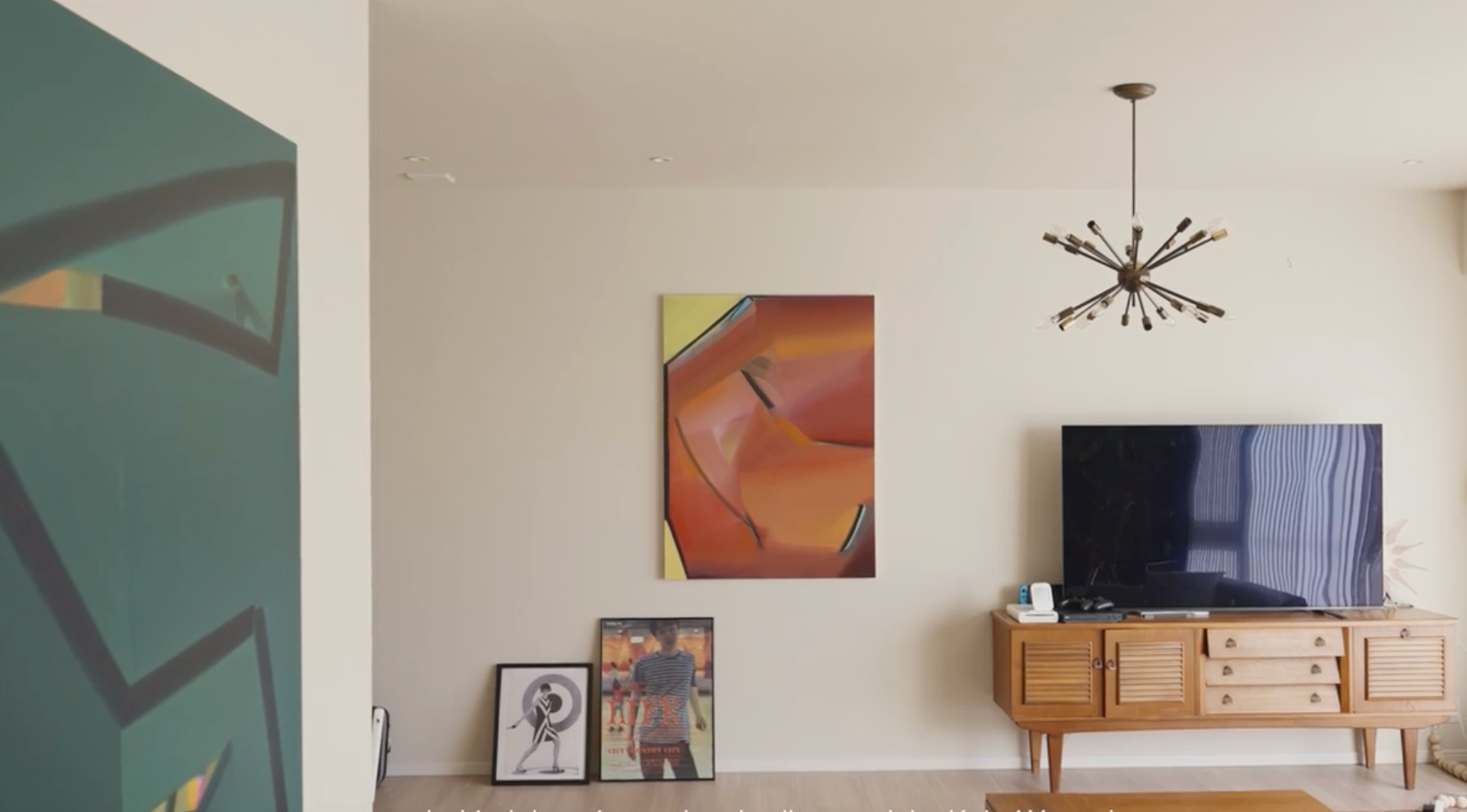
Kataishi: I still remember the feeling I had when I saw a work by Kohei Yamada. It was a painting with bold reds and yellows that I discovered in a group exhibition by young artists in a department store. It was so different from anything else I'd seen. I immediately felt a connection to the artist and thought, “This painting is really something." I liked how the painting felt raw and spontaneous, yet also contained an underlying intelligence. It seemed like the artist had gone through a lot to arrive at this point. I'm not an art expert, so I might be wrong, but I felt like this work was a perfect blend of passion and intellect. That's something I’ve always been drawn to—combining creativity and intellect. It's similar to what I try to do with my business. So I bought the painting and started researching the artist. I was thrilled to learn that he was a young up-and-coming talent.
ArtX: Is the feeling of "this is it" when it comes to art similar to the feeling you get in business?
ArtX: Is the feeling of "this is it" when it comes to art similar to the feeling you get in business?
Kataishi: Yes, but I think art is more aligned with my personal feelings because it's something I do for myself, not for business.
ArtX: So, it's more about your pure, personal feelings?
Kataishi: Exactly. It's about whether I think something is cool or not, whether I like it or not. In business, that instinct is different. When I think something is "going to work," there's always a consideration of whether it will sell. When buying art, I sometimes have a selfish desire to see the value of my collection increase, but I feel like art allows me to make decisions based on a purer sense of good or bad. I personally think that's the whole point.
ArtX: It's exciting to pursue things like that, isn't it?
Kataishi: Yeah, totally. And it's also really stimulating.

Q5.
Has your perspective on collecting art changed since you first started?
Has your perspective on collecting art changed since you first started?
Kataishi: Not really. It aligns with our company's philosophy. I've always given a lot of thought to the meaning behind buying art. I don't want to be just another buyer: I want to be a meaningful part of the art world.
There are countless collectors who have been part of this world much longer than I have, and they’ve made significant contributions to the art market. While I respect their achievements, I'm more interested in supporting emerging artists who I believe have the potential to grow with me. Rather than just buying famous pieces or following trends, I prefer to make acquisitions based on my intuition.
There are countless collectors who have been part of this world much longer than I have, and they’ve made significant contributions to the art market. While I respect their achievements, I'm more interested in supporting emerging artists who I believe have the potential to grow with me. Rather than just buying famous pieces or following trends, I prefer to make acquisitions based on my intuition.
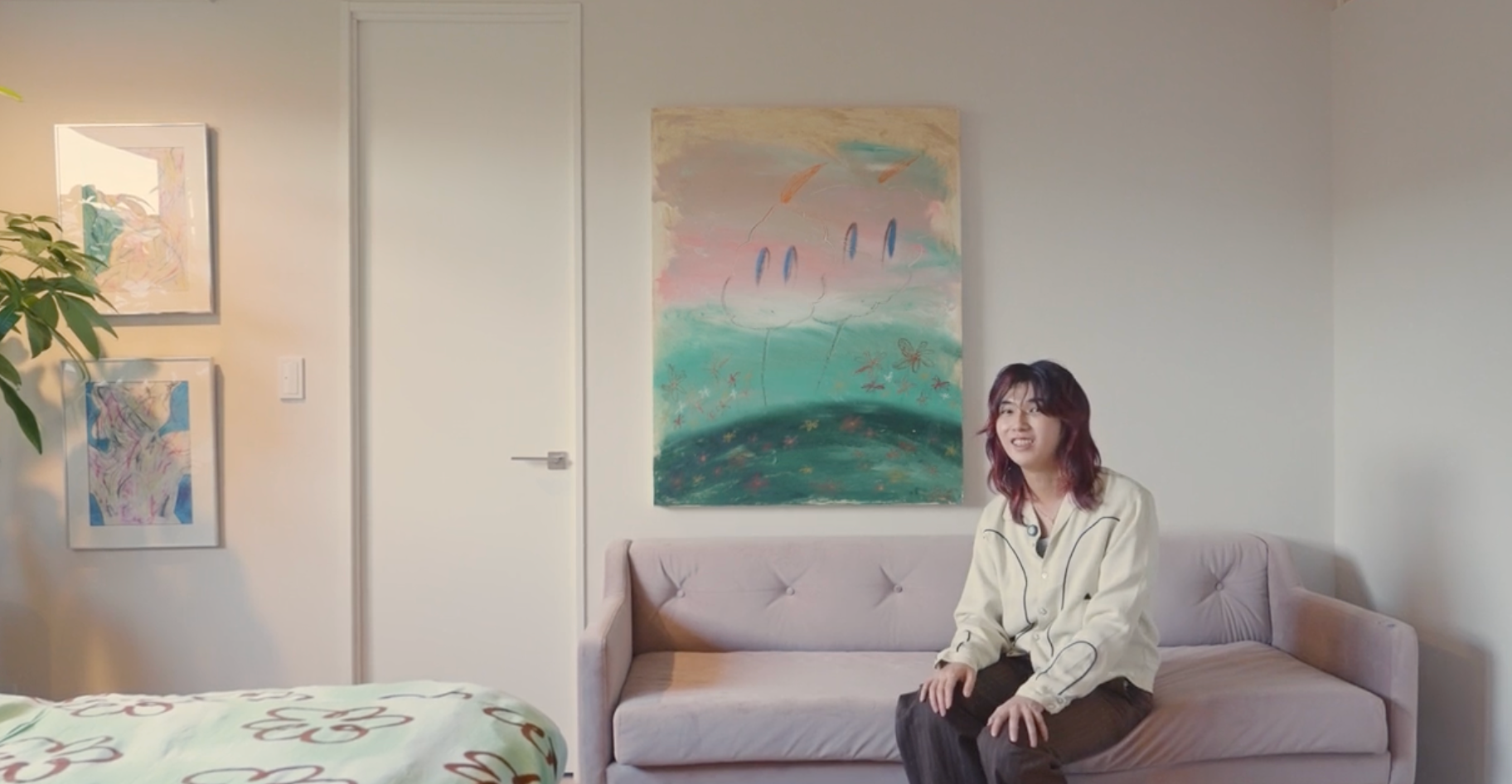
"It’s raw, passionate, and punk, but it is equally driven by thoughtful consideration."
The way he articulated his impressions of Kohei Yamada's painting, his first acquisition, was truly remarkable. His ability to verbalize the fleeting sensations elicited by art demonstrates how he internalizes and interprets these experiences through his own unique lens.
Having been immersed in the worlds of fashion and culture since childhood, he approached these topics with both enthusiasm and an analytical eye, offering insightful observations.
Having been immersed in the worlds of fashion and culture since childhood, he approached these topics with both enthusiasm and an analytical eye, offering insightful observations.
Many people are interested in art, and the number of collectors is growing. However, the art world is vast, with numerous artists, not just in contemporary art. And auctions provide a wealth of market information. Many people feel lost, unsure of what to do or where to begin.
Takanori Katashiki is a rare young collector who does not rely on external standards, but instead constantly asks himself why he collects art. He chooses works that will accompany him on his journey and align with his sensibility.
Takanori Katashiki is a rare young collector who does not rely on external standards, but instead constantly asks himself why he collects art. He chooses works that will accompany him on his journey and align with his sensibility.
ArtX hopes more collectors like him will emerge.
Inside the Collection with Takanori Kataishi
Kataishi shared a personal look into his art collection, revealing the deep connections he has with each piece. Please take a time to look at it.

