

By Ryusei2025.03.05 Update
In contemporary art, exhibition spaces are not merely places to display works, but vital venues that foster a dialogue between the work and the viewer. Particularly, the "white cube" and "public spaces" present starkly contrasting characteristics, leading to significantly different viewing experiences and interpretations of the artwork. The former is an inorganic and simple space designed for the pure appreciation of art, while the latter, imbued with historical and cultural essence, allows for an interplay with the artwork. The distinction in exhibition spaces broadly impacts the viewer's experience, the interpretation of the work itself, and its connection to the history and culture of the location.
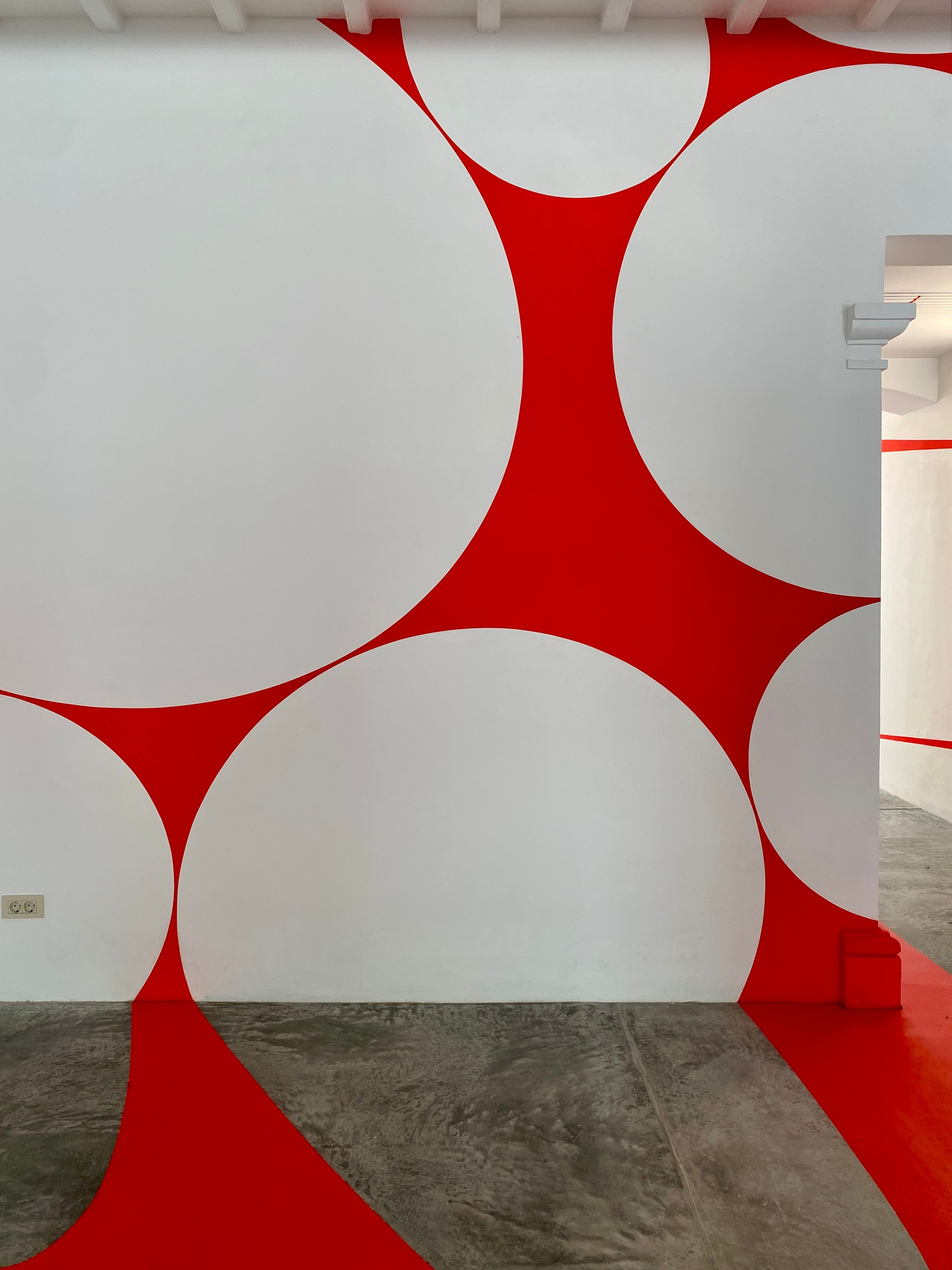
When one thinks of contemporary art, the image of the pristine, inorganic white cube often comes to mind. As a standard in exhibition spaces, the white cube is deeply rooted in the development of modern art in the early 20th century. It emerged as an exhibition space in modern art museums in the 1920s, and its concept was particularly solidified by Alfred H. Barr Jr., the first director of the Museum of Modern Art (MoMA), in the 1936 "Cubism and Abstract Art" exhibition. In this exhibition, a space was created to highlight the artworks themselves by painting the walls white, using uniform lighting, and eliminating all other elements from the space.
This allowed artworks to be displayed as having universal value, detached from their original contexts, establishing the white cube as the standard for exhibiting modern art. By removing elements that could distract the viewer, it was intended to promote a pure art viewing experience, accentuate colors and materials, and facilitate the communication of the artist's intent. Furthermore, as a neutral space free from the cultural and historical baggage of any particular location, it granted artworks universal value and provided a place where viewers could concentrate on interpretation. This inorganic, pristine white space can also evoke the impression of a sanctuary, removed from the secular world.
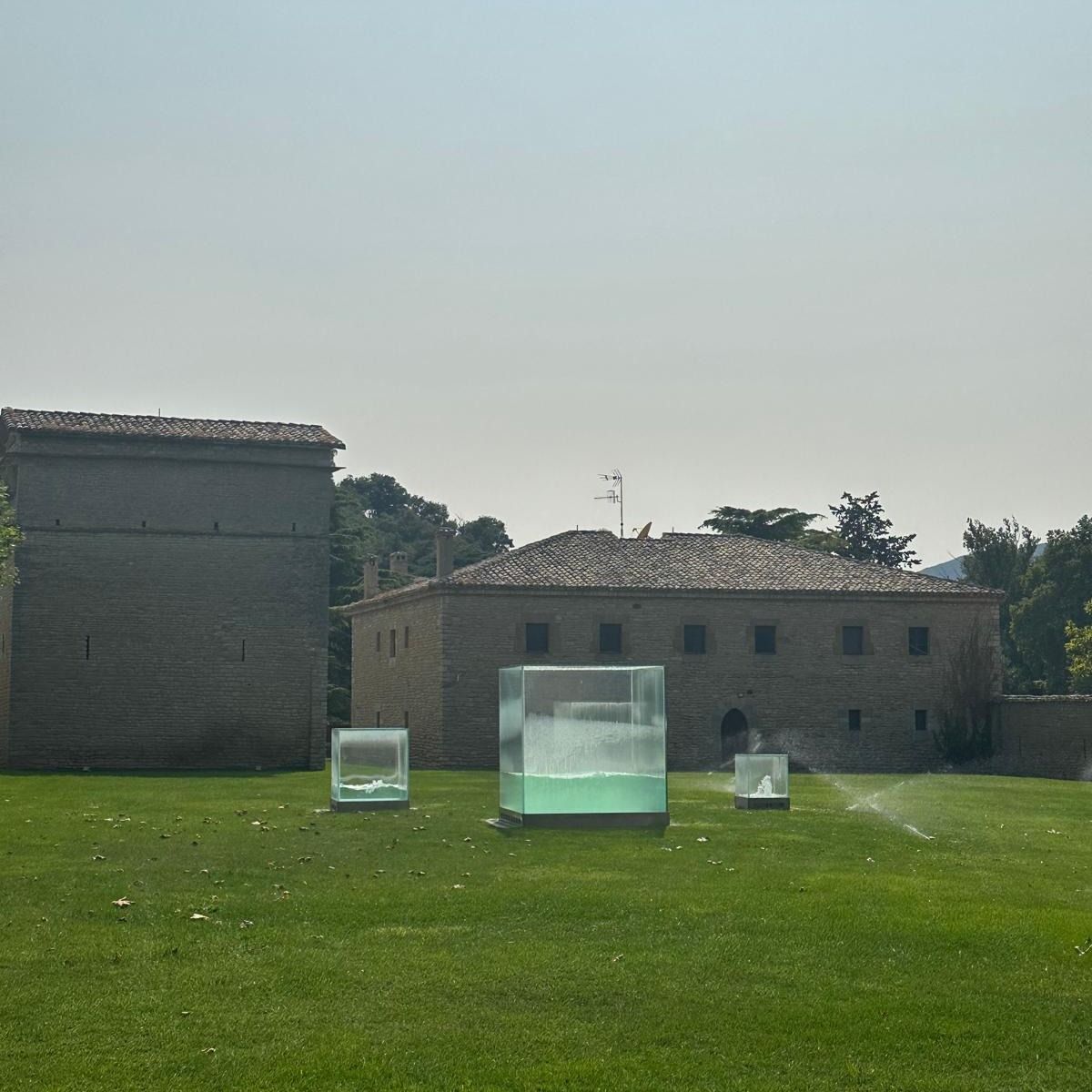
Public spaces, such as temples and historical buildings, possess their own historical and cultural contexts, lending diverse atmospheres to exhibitions. In these spaces, artworks either enhance the characteristics of the space or create new meanings through contrast, and the history and narratives of the space deepen the interpretation of the works, providing viewers with a richer experience. Additionally, because the spaces themselves vary in texture and lighting, viewers can experience the artworks in a dynamic environment, revealing new facets of the works.
Throughout our long history, we have engaged with artworks in various settings. Initially, these encounters were extensions of our daily lives, with art manifesting in diverse forms within our everyday experiences. The advent of the white cube emphasized the pure exploration of art, fostering an attitude of viewing art detached from our daily lives, which had a profound impact, particularly on subsequent contemporary art. In this Vol. 1, we have unraveled the history and present roles of the white cube and public spaces in contemporary art. In Vol. 2, through a dialogue with artist Ray Kunimoto, we will discuss Kunimoto's works in relation to the exhibition space and the artworks.

